TL;DR: IGA vendors let teams write access policies in plain language and enforce them automatically. Opti is best for natural language policies with automated remediation, C1 for human and agent governance, Lumos for AI-driven role design, and SailPoint Human Fabric for large-enterprise IGA.
What Is Natural-Language Automated Policy Enforcement in Identity Governance?
Natural-language automated policy enforcement in identity governance is the use of artificial intelligence (AI) and machine learning to create, interpret, and enforce identity and access policies using everyday language instead of complex technical configurations.
IT administrators, security teams, and business stakeholders can describe access requirements in plain English, such as "Only authorized engineers, service accounts, and AI agents should have access to production systems," and have an identity governance platform translate those requirements into structured, machine-enforceable policies.
Traditional identity governance systems often require administrators to manually configure access rules, roles, approval workflows, and entitlement restrictions, frequently using separate processes for human and non-human identities. Natural-language automation simplifies this process by using AI to interpret policy intent, identify relevant identities and resources, and generate corresponding access controls.
This is part of a series of articles about identity governance and administration
Identity Governance Vendors with Natural-Language Policy Enforcement at a Glance
The table below summarizes the key differences between the identity governance vendors covered in this article. We explore each platform in more detail in the sections that follow.
Category | Solution | Best For | Key Strengths | Things to Consider |
AI-Native Identity Governance Platforms | Opti | Enforcing least privilege with plain-English policies | Plain-English policies, access graph, one-click remediation | Newer vendor with few public reviews |
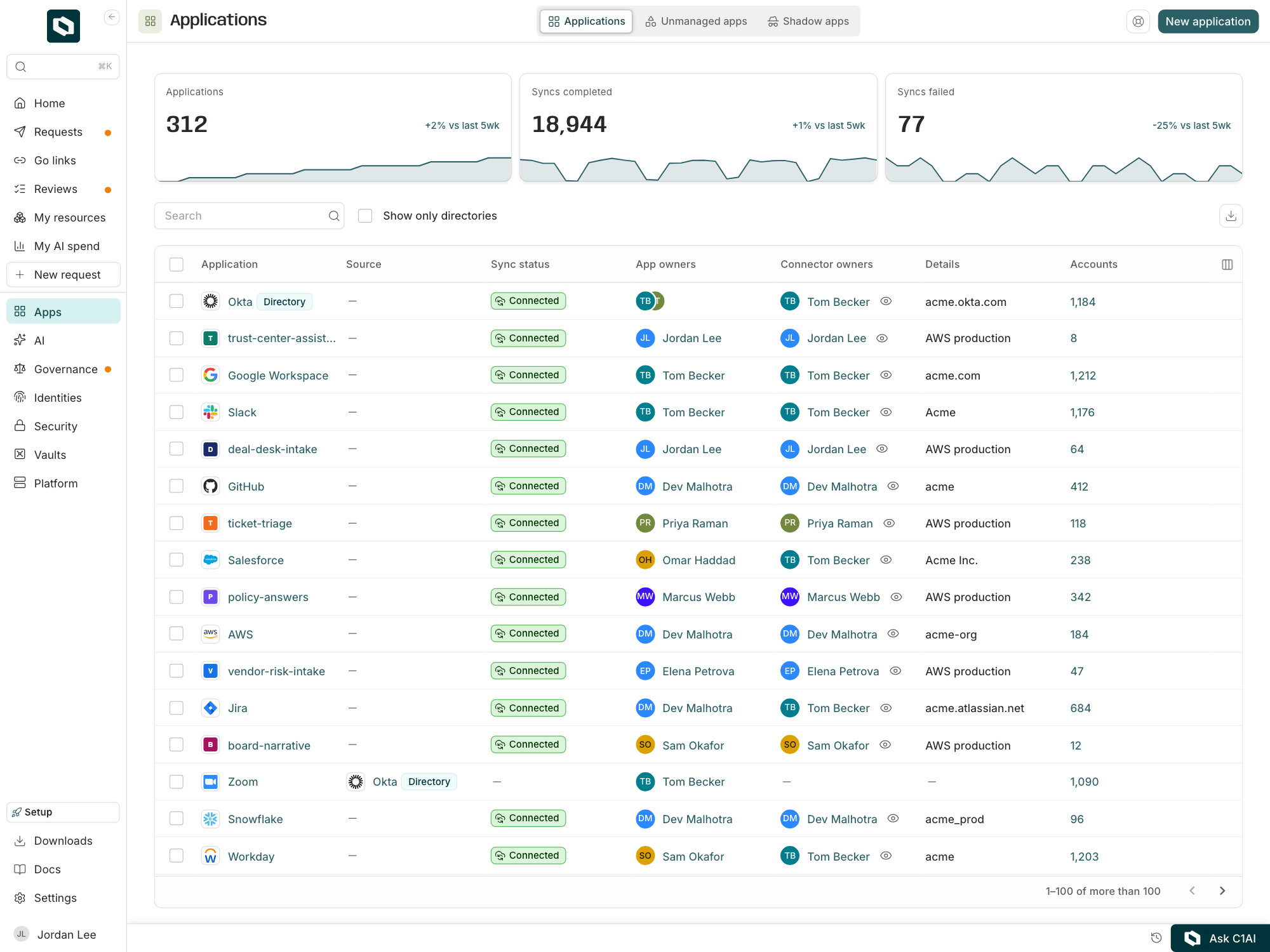
AI-Native Identity Governance Platforms | C1 (formerly ConductorOne) | Governing human, workload, and AI agent access together | Conversational AI, cross-app SoD, MCP policy checks | Integration coverage may not span every app |
AI-Native Identity Governance Platforms | Lumos | AI agent support for roles, reviews, and investigations | Natural-language investigations, RBAC/ABAC drafting | Custom app integrations can take time |
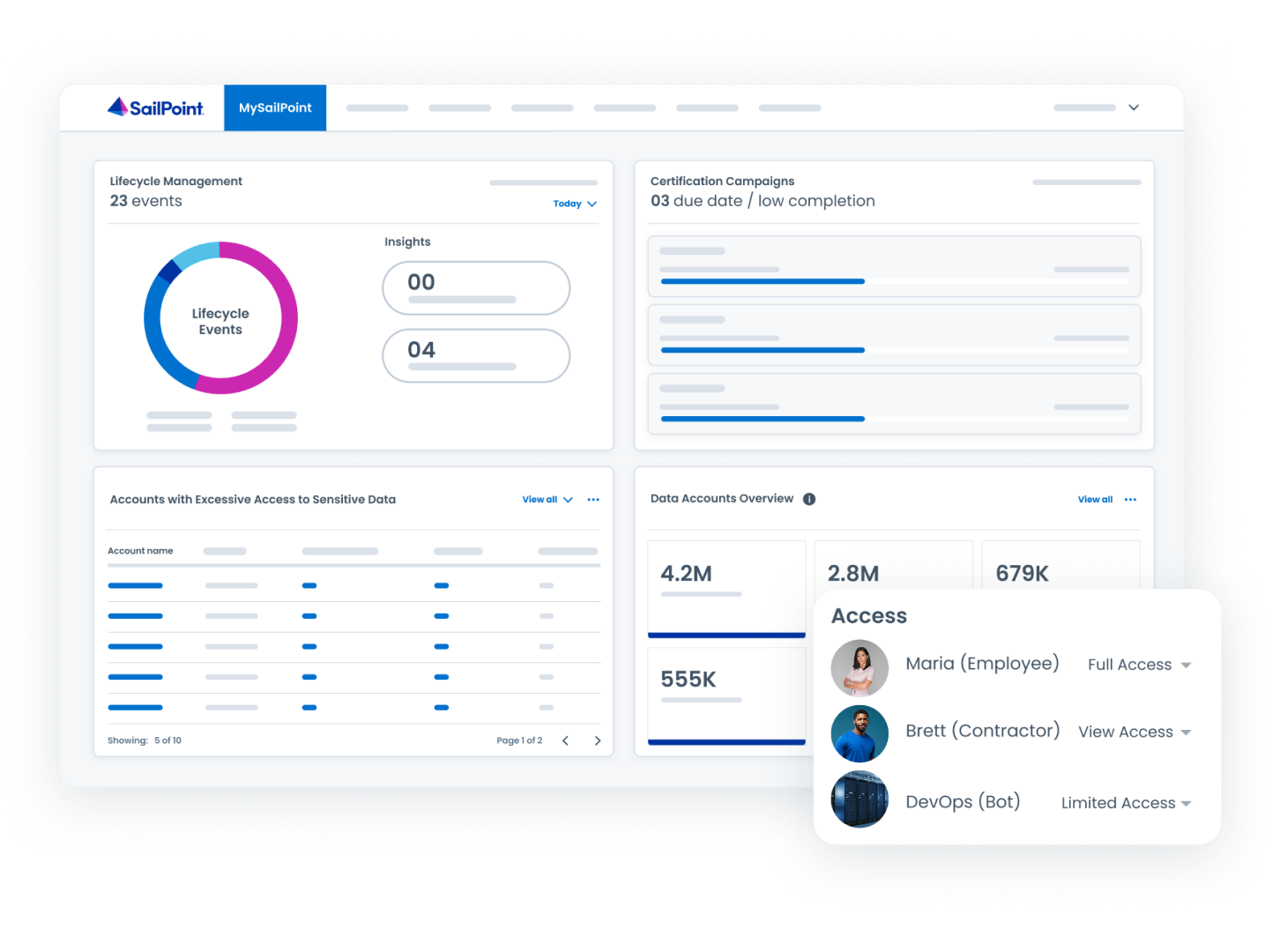
Enterprise IGA Suites With AI-Assisted Policy Management | SailPoint Human Fabric | Large enterprises moving to continuous governance | AI-driven certifications, SoD, JIT access | Connector limits, specialized skills needed |
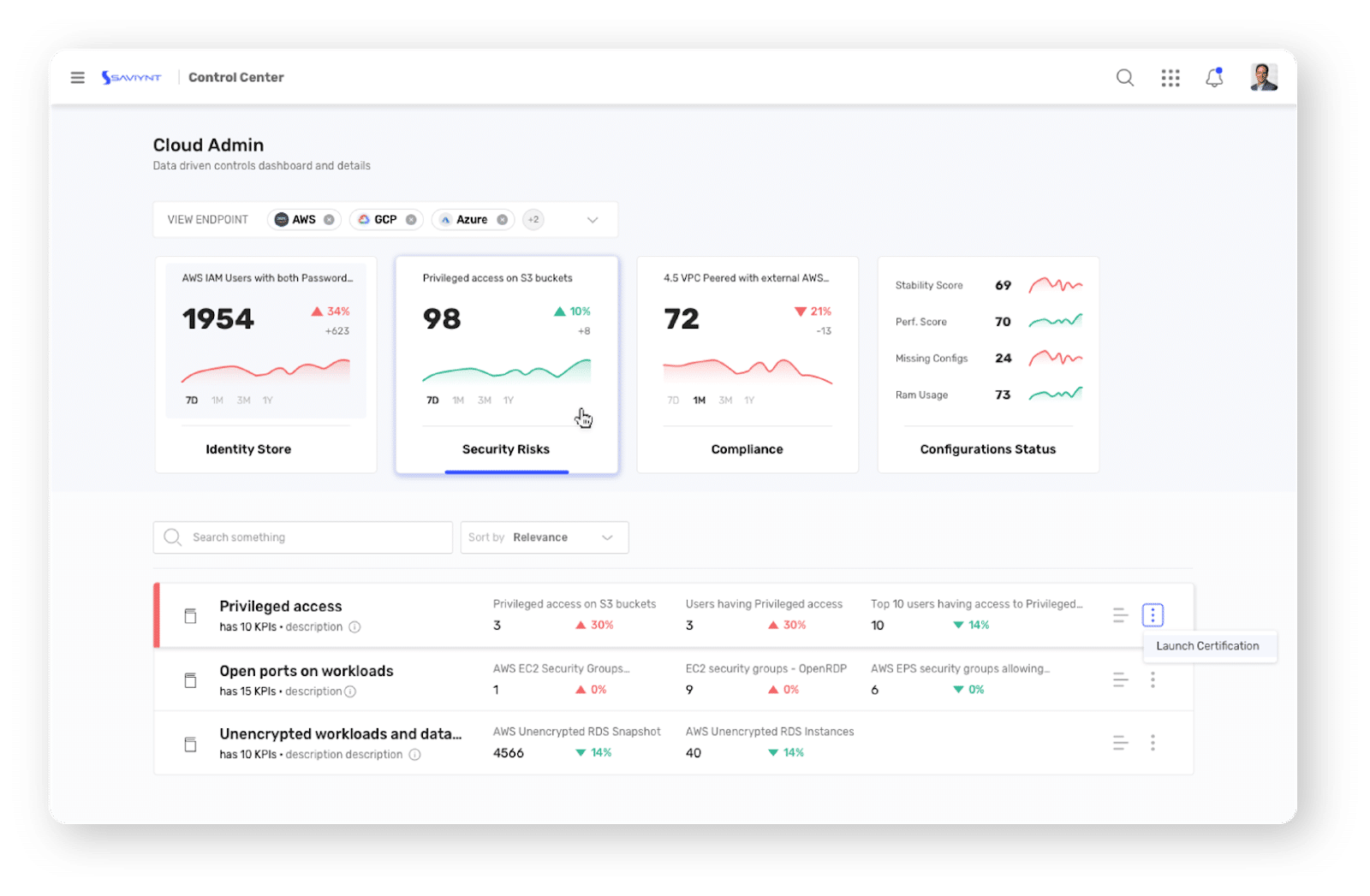
Enterprise IGA Suites With AI-Assisted Policy Management | Saviynt Identity Governance & Administration | Unifying IGA, PAM, and app governance | SaviAI natural-language assistants | Complex setup, UI learning curve |
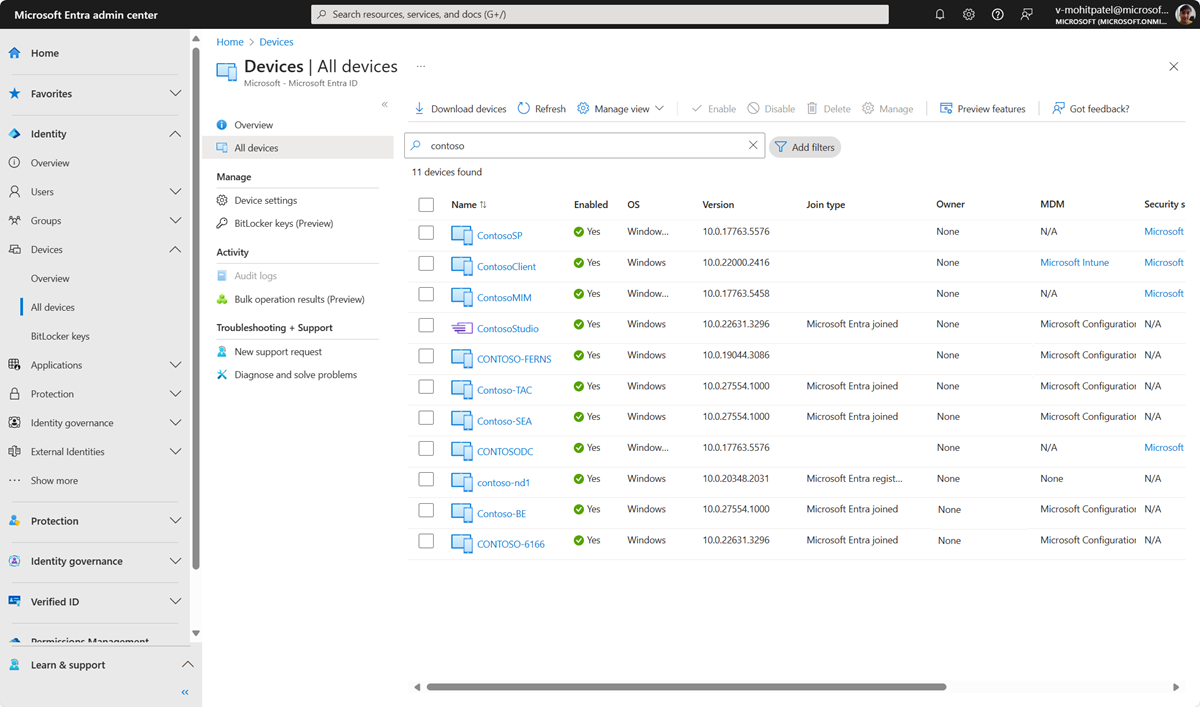
Enterprise IGA Suites With AI-Assisted Policy Management | Microsoft Entra ID Governance | Organizations standardized on Microsoft Entra | Lifecycle workflows, AI-driven reviews | Fewer third-party and on-prem integrations |
Enterprise IGA Suites With AI-Assisted Policy Management | Okta Identity Governance | Okta customers adding governance | Governance Analyzer, 600+ integrations | Limited complex certifications |
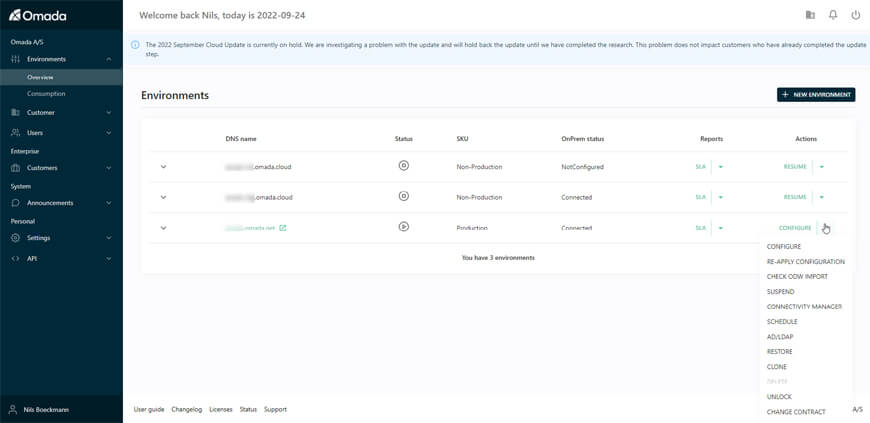
Enterprise IGA Suites With AI-Assisted Policy Management | Omada Identity Cloud | SaaS IGA with standardized deployment | Javi AI assistant, role mining, no-code model | Limited reporting customization |
How Natural-Language Identity Governance Works
Defining Access Policies Using Plain English
The process begins when administrators, security teams, or business stakeholders describe access requirements using natural language instead of manually configuring complex rules. For example, an administrator might enter a policy such as "Only finance department employees should have access to payroll data" or "Automatically revoke privileged access when an employee changes departments."
AI-powered identity governance platforms use natural language processing and large language models (LLMs) to interpret these instructions and identify relevant policy elements, including users, resources, permissions, conditions, and enforcement actions. This allows individuals without specialized knowledge of identity management systems to participate in defining access policies.
Natural-language interfaces can also help administrators refine existing policies, identify ambiguous requirements, and understand how proposed rules might affect access. However, organizations should require clarification or human approval when instructions are ambiguous or could cause significant access changes.
Translating Business Rules into Enforceable Access Controls
Once a natural-language policy is defined, the identity governance platform translates the business requirement into structured rules that connected identity and access management systems can evaluate. This involves identifying the relevant policy conditions, access restrictions, and actions required when those conditions are met.
For example, a request to "Remove access to customer databases when a contractor's engagement ends" might be translated into a rule that monitors contractor employment status and triggers an access revocation workflow when the contract expiration date is reached. Depending on the environment, the platform may use role-based access control (RBAC), attribute-based access control (ABAC), or other authorization mechanisms to implement the requirement.
Before deployment, the generated policy should be validated against existing access rules, organizational requirements, and technical constraints. Some platforms support policy simulations or impact assessments that help administrators understand which identities and permissions will be affected before activating enforcement.
Mapping Identities, Roles, Entitlements, and Business Context
Effective policy enforcement requires an accurate understanding of who has access to which resources and why that access exists. Identity governance platforms collect information from identity providers, directories, HR systems, SaaS applications, cloud environments, and other connected resources to build a consolidated view of identities and their permissions.
This information can be organized into an identity graph that maps relationships between users, groups, roles, entitlements, applications, and organizational attributes. Business context, such as department, job function, employment status, reporting relationships, and resource sensitivity, helps the platform determine whether access is appropriate for a particular identity.
For example, a natural-language policy restricting production database administration to authorized engineering personnel requires the platform to identify engineering employees, determine which entitlements grant administrative access, and distinguish production databases from development environments. Without accurate identity and entitlement mapping, even correctly interpreted policies may produce incomplete or incorrect enforcement decisions.
Continuously Evaluating Access Against Defined Policies
After policies are deployed, the identity governance platform evaluates access permissions against the established rules as identities, entitlements, and business conditions change. Continuous evaluation helps identify access that becomes inappropriate after events such as employee transfers, promotions, contractor departures, or changes to application permissions.
The platform can compare current access assignments with policy requirements using identity attributes, entitlement relationships, and contextual risk information. For example, if an employee transfers from finance to marketing, the system can identify financial application permissions that are no longer consistent with the employee's responsibilities.
Evaluation frequency depends on the platform's architecture and available integrations. Some systems support event-driven checks when identity or access changes occur, while others rely on scheduled synchronization and periodic policy evaluations. Both approaches can help organizations detect access drift and reduce reliance on manual access reviews.
Automatically Detecting Violations and Remediating Risky Access
When the identity governance platform identifies access that violates a defined policy, it can automatically initiate remediation rather than simply flagging the issue for manual investigation. This creates a closed-loop enforcement process in which policy evaluation, violation detection, access revocation, and remediation verification are directly connected.
Violations may include excessive privileges, unauthorized access to sensitive applications, conflicting entitlements, orphaned service accounts, or permissions retained by employees, machine identities, and AI agents after their access is no longer required.
Depending on the policy, the platform's integrations, and the organization's risk tolerance, remediation actions can include:
Automatic access revocation: Immediately remove permissions that violate predefined policies, such as access retained after an employee's termination or an AI agent's authorization expires.
Privilege reduction: Automatically replace excessive permissions with least-privilege entitlements aligned with the current responsibilities of human and non-human identities.
Approval workflows: Require human authorization for potentially disruptive changes while automatically executing the approved remediation.
Policy violation alerts: Notify security teams of detected violations, remediation failures, or high-risk exceptions requiring investigation.
Remediation verification and audit trails: Confirm that access changes were successfully applied and record policy decisions, revocations, approvals, and enforcement outcomes.
Key Capabilities to Look for in Identity Governance When Natural-Language Policies are a Priority
AI-Native Understanding of Natural-Language Policies
AI-native identity governance platforms allow administrators to define, modify, and investigate access policies using everyday language. Rather than requiring security teams to manually construct complex rules, these solutions use large language models (LLMs) and natural language processing (NLP) to interpret business requirements and translate them into structured policy definitions.
Advanced capabilities include understanding the relationships between users, applications, roles, and permissions, as well as recognizing policy conflicts and ambiguous instructions. For example, an administrator could request, "Identify employees with administrative access outside their department and remove unnecessary permissions," and the platform could identify relevant entitlements, analyze access assignments, and propose appropriate remediation actions.
Organizations should evaluate whether natural-language capabilities extend beyond conversational search and reporting to actual policy generation, validation, and enforcement. The platform should also explain its interpretations, support human approval of proposed changes, and provide traceable records of AI-generated policy decisions.
Unified Identity and Entitlement Visibility Across Systems
Effective identity governance requires visibility into identities and permissions across the organization's technology environment. A platform should consolidate identity information from directories, identity providers, cloud infrastructure, SaaS applications, databases, and other enterprise systems into a unified view.
This visibility should extend beyond user accounts to include groups, roles, entitlements, privileged access, and relationships between identities and resources. An identity graph can help map these relationships, allowing organizations to understand how direct permissions, group memberships, and inherited roles contribute to a user's effective access.
Unified visibility is especially important for natural-language enforcement because the platform must accurately identify which identities and permissions are affected by a policy. Organizations should prioritize solutions that continuously synchronize identity data, detect ungoverned accounts, and expose indirect access paths that traditional account-level reporting may overlook.
Context-Aware Access Decisions Based on Roles, Usage, and Risk
Context-aware governance evaluates whether access is appropriate based on more than an identity's assigned role. It considers business attributes, actual permission usage, resource sensitivity, and risk indicators to determine whether an entitlement is necessary and justified.
For example, two employees may have the same job title but require different permissions based on their projects, responsibilities, or access to sensitive information. A context-aware platform can distinguish legitimate access requirements from excessive privileges by analyzing factors such as department, employment status, recent activity, and historical access patterns.
Organizations should look for platforms that incorporate contextual information into policy recommendations and enforcement decisions. This helps reduce overly broad access rules, supports more precise authorization policies, and limits unnecessary disruption when permissions are modified.
Automated Policy Violation Detection and Access Remediation
Identity governance platforms should automatically identify access assignments that violate established security and business policies. Common violations include excessive permissions, unauthorized access, conflicting entitlements, orphaned accounts, and access retained after employees change roles or leave the organization.
Automated detection involves continuously or periodically comparing identity entitlements against defined policies and identifying deviations. More advanced platforms can correlate violations with business context and risk indicators to prioritize remediation based on the potential impact of inappropriate access.
Remediation capabilities should support multiple actions, including revoking permissions, modifying role assignments, initiating approval workflows, and notifying responsible owners. Organizations should also look for configurable approval thresholds, rollback capabilities where supported, and comprehensive audit logs to ensure automated changes remain controlled and traceable.
Continuous Least-Privilege Enforcement
The principle of least privilege requires identities to receive only the permissions necessary to perform their authorized tasks. Identity governance platforms should help organizations establish this access baseline and maintain it as responsibilities, applications, and business requirements change.
Continuous least-privilege enforcement involves analyzing existing permissions, identifying unused or excessive entitlements, and recommending access reductions. For example, a platform might discover that an employee retains privileged database access from a previous project and recommend removing those permissions based on current responsibilities and observed usage.
Organizations should prioritize solutions that support ongoing entitlement analysis, access right-sizing, and automated responses to identity lifecycle events. These capabilities help prevent privilege accumulation and reduce the risk associated with standing access to sensitive resources.
Automated Access Reviews and Certifications
Access reviews and certifications help organizations verify that users retain only the permissions appropriate for their responsibilities. Traditional certification campaigns often require managers and application owners to review large volumes of entitlements manually, making the process time-consuming and prone to inconsistent decisions.
AI-assisted identity governance platforms can streamline these reviews by analyzing entitlement usage, role relationships, peer access patterns, and historical approval decisions. They can identify unusual permissions, prioritize high-risk access, and provide contextual recommendations that help reviewers make more informed decisions.
Organizations should look for configurable certification campaigns, automated reviewer assignments, risk-based prioritization, and workflows for revoking rejected access. Natural-language interfaces can further simplify reviews by allowing managers to ask questions such as "Which permissions does this employee have that others in the same role do not?" and receive explanations based on available identity data.
Separation of Duties (SoD) and Compliance Policy Enforcement
Separation of duties (SoD) policies prevent identities from accumulating combinations of permissions that could enable fraud, unauthorized changes, or other high-risk activities. Natural-language policy enforcement allows security and compliance teams to define these restrictions using business-readable rules, such as "No one should be able to create and approve the same financial transaction".
SoD enforcement should operate continuously, not just during periodic access reviews or certification campaigns. Identity governance platforms should evaluate permission combinations across cloud environments, SaaS applications, financial systems, and other connected resources whenever access changes occur. This includes identifying conflicts involving human users, service accounts, and AI agents, as well as combinations of permissions distributed across multiple applications.
Organizations should also evaluate support for compliance requirements associated with frameworks and regulations such as SOX, ISO 27001, and SOC 2. Important capabilities include continuous policy monitoring, automated violation remediation, exception management, approval documentation, and audit evidence collection. These features help organizations demonstrate that SoD controls remain effective between certification cycles.
Governance for Human, Non-Human, and AI Agent Identities
Modern organizations must govern more than traditional employee accounts. Service accounts, application identities, API credentials, automation workloads, and AI agents can all receive access to sensitive systems, often without the same lifecycle management and oversight applied to human users.
Identity governance platforms should provide visibility into these non-human identities, their owners, credentials, entitlements, and relationships with enterprise resources. For AI agents, governance should also account for delegated permissions, access to tools and APIs, and the ability to perform actions on behalf of users or autonomous workflows.
Organizations should prioritize solutions that can identify non-human identities, map their effective permissions, detect excessive privileges, and apply appropriate access lifecycle controls. For AI agents, additional capabilities may include task-scoped authorization, delegation tracking, and governance of agent-to-resource access. These controls help prevent unmanaged identities from becoming persistent sources of security risk.
Integration with Existing IAM, IGA, and Business Applications
Natural-language identity governance platforms must integrate with the systems responsible for authentication, authorization, identity lifecycle management, and access provisioning. Without reliable integrations, even accurately defined policies may be difficult to enforce consistently across enterprise applications.
Organizations should evaluate support for major identity providers, HR systems, cloud platforms, SaaS applications, privileged access management (PAM) tools, and existing identity governance solutions. Common integration mechanisms include APIs, SCIM provisioning, event-driven connectors, and standardized authentication protocols where applicable.
Integration depth is as important as the number of supported systems. A platform that can discover identities but cannot modify entitlements may provide useful visibility without enabling automated enforcement. Organizations should therefore assess whether integrations support both reading access information and executing governance actions, including provisioning, deprovisioning, access modifications, and certification workflows. Reliable synchronization, error handling, and audit logging are also essential for maintaining consistent policy enforcement across connected environments.
Notable Identity Governance Vendors with Natural-Language Automated Policy Enforcement
How we selected these vendors: We shortlisted identity governance vendors based on natural-language policy definition or querying, automated detection and remediation of policy violations, AI-assisted access reviews, separation of duties enforcement, and governance of human, non-human, and AI agent identities.
AI-Native Identity Governance Platforms
1. Opti

Best for: Enterprises enforcing least privilege with plain-English policies
Strengths: Plain-English policies, access graph, one-click remediation
Things to consider: Founded in 2024, so fewer public reviews and case studies
Opti is an AI-native identity security platform that uses entitlement models trained for identity data to analyze human, non-human, and agentic identities across connected applications. It builds an access graph of identities, entitlements, usage, and business context, and runs either alongside an existing IGA or as the governance layer itself.
Administrators write access policies in plain English, and Opti continuously scans the environment for violations. When it finds over-privileged access or orphaned accounts, it generates a remediation path that can be executed from the platform, with human approval where required. Opti integrates with more than 250 systems, including homegrown applications.
Key features include:
Plain-English policy definition: Teams write policies such as “Only engineers should access production systems” without code, and Opti continuously scans access data for violations of each policy.
Natural language access queries: Administrators ask questions like “Who has admin access to SAP?” and get answers drawn from the access graph, without writing SQL or building filters.
Policy suggestions: Opti analyzes how teams actually use access and recommends new policies that reinforce least privilege before violations occur.
Automated remediation: The platform revokes stale entitlements, removes unused permissions, and initiates just-in-time access workflows, executing fixes directly from the platform with human approval where needed.
Contextual access graph: A continuously synced graph of identities, roles, entitlements, and usage flags changes and policy violations, triggers reviews, and supports real-time entitlement changes directly from the graph.
Workflow-aware recommendations: An LLM weighs policies, roles, peer usage, and risk to produce evidence-backed least-privilege suggestions with explanations.
AI agent governance: Opti extends IAM policies to AI agents, shows what each agent can read, write, or manage, flags over-privileged capabilities, and discovers hidden agents.
Audit readiness: Identity, access, and entitlement data is mapped to roles, policies, and usage so teams can produce access reviews and least-privilege evidence on demand.
Limitations (based on publicly available sources):
Newer vendor: Opti was founded in 2024, so there is a shorter public track record and few independent user reviews available.
Enterprise-oriented pricing: The AWS Marketplace listing prices the platform per human identity per month with a 2,000-identity minimum, which fits larger organizations more than small teams.
2. C1 (formerly ConductorOne)

Best for: Teams governing human, workload, and AI agent access together
Strengths: Conversational AI, cross-app SoD, MCP policy checks
Things to consider: Integration coverage may not span every app in a stack
C1, formerly ConductorOne, is an identity governance platform that manages lifecycle, access requests, access reviews, compliance, and remediation for human users, non-human identities, and AI agents. It builds an identity graph through 400+ connectors covering SaaS, cloud, infrastructure, on-premises, and homegrown systems.
C1 applies policy to self-service requests, role-based access, and just-in-time grants, and a conversational assistant answers questions about governance data in plain language. The platform also places identity-aware policy in front of AI agent tool calls through MCP servers. In October 2026, Workday announced an agreement to acquire C1.ai.
Key features include:
Conversational AI assistant: Users ask C1.ai questions in plain language, such as which access reviews are behind schedule, and the assistant queries C1 objects and runs programs to return answers with source lineage.
Policy-controlled access requests: Requests from a catalog, Slack, Microsoft Teams, MCP, CLI, or web pass through policy before provisioning, and decisions route to the appropriate owner.
RBAC and just-in-time access: Access profiles are defined by job function, team, attributes, and resource scope, roles can be mined from current access, and elevated access is granted temporarily.
Cross-application separation of duties: Policies are built from mutually exclusive entitlements, roles, and permissions across systems, with continuous violation detection and blocking of risky combinations before approval.
Intelligent access reviews: Campaigns are scoped by application, entitlement, team, identity, or risk, AI handles routine review work, and decisions flow into revocation workflows with verification and evidence capture.
Agent and MCP governance: C1 inventories non-human identities and agents, applies identity-aware policy before MCP tool execution, and records each tool action with its decision.
Lifecycle automation: HR and directory events trigger onboarding, access recalculation on role changes, and offboarding across connected systems.
Limitations (as reported by users on G2):
Integration coverage gaps: Some users report the integration library did not cover their full tech stack, requiring the vendor to build additional connectors on request.
Integration quality: Reviewers note that integrations with some services could be improved.
Review remediation options: Users have asked for the ability to modify access during reviews rather than only removing it from the profile or resource.

Source: C1.ai
3. Lumos

Best for: Teams wanting an AI agent for roles, reviews, and investigations
Strengths: Natural-language investigations, RBAC/ABAC policy drafting
Things to consider: Custom and less common app integrations can take time
Lumos is an autonomous identity platform for governing human, machine, and AI identities, and Albus is its built-in identity agent. Albus works on entitlement-level data from the IdP, HRIS, SaaS, cloud, and on-premises systems, and keeps context on owners, approval paths, peer groups, and past exceptions.
Albus handles three governance workflows: building roles and policies, completing access reviews, and investigating identity risk. Administrators query it in natural language, and each recommendation comes with a plain-language explanation. Organizations can start in copilot mode, where Albus surfaces recommendations for approval. Lumos offers 300+ integrations.
Key features include:
RBAC and ABAC policy generation: Albus ingests HRIS data, app assignments, and usage logs, then proposes role-based and attribute-based policies with an explanation of why each role exists.
Natural language investigations: Administrators ask questions in plain language, and Albus scans users, apps, and entitlements to find dormant accounts, policy drift, and SoD violations.
Agentic access reviews: Albus approves or flags access using peer-group analysis and usage anomalies, focuses reviewers on changes since the last cycle, and captures evidence automatically.
SoD violation detection: Risky access combinations are flagged by cross-referencing entitlements against defined SoD policies during reviews and investigations.
Organizational memory: Albus retains context on owners, approval routes, and past exceptions to inform decisions without repeated input from administrators.
Human-in-the-loop controls: Albus can run in copilot mode, limits its permissions to each workflow, logs every action, and does not train on customer data.
Limitations (as reported by users on G2):
Integration coverage: Users report that not every application integration is fully supported, and some apps lack APIs needed for access reviews.
Custom app setup: Connecting custom or lesser-known applications can take longer than expected.
Integration reliability: Some reviewers mention complexity and occasional bugs in failed integrations.

Source: Lumos
Enterprise IGA Suites with AI-Assisted Policy Management
4. SailPoint Human Fabric (formerly Identity Security Cloud)

Best for: Large enterprises moving to continuous, AI-driven governance
Strengths: AI-driven certifications, SoD enforcement, JIT access
Things to consider: Connector limits and reliance on specialized skills
SailPoint Human Fabric is the evolution of SailPoint Identity Security Cloud, a cloud-native identity governance product built on the SailPoint Atlas platform. It replaces point-in-time reviews with continuous evaluation of human identity access, organized into three areas: Discover, Govern, and Protect.
Human Fabric uses AI and machine learning to surface risky access, auto-certify low-risk entitlements, and translate technical entitlements into plain-language descriptions for business reviewers. It enforces access policies, separation of duties, and Zero Standing Privilege through just-in-time access, and can revoke access and close sessions when anomalies appear.
Key features include:
Plain-language entitlement descriptions: AI translates technical entitlement names into descriptions that business owners can understand when making access decisions.
Policy-enabled access requests and SoD: Access requests are evaluated against policies, and Separation-of-Duties enforcement blocks toxic combinations before they are granted.
AI-driven certifications: Low-risk access is auto-certified and high-risk anomalies are flagged for reviewers, with audit evidence collected automatically.
Continuous least privilege: Privilege creep is identified as it builds, and stale or excessive entitlements are remediated automatically.
Just-in-time access: Elevated permissions are evaluated against context, policy, and risk at request time, then revoked when the task ends or risk changes.
Access Modeling and Identity Outliers: Machine learning compares peer groups to recommend roles and flag abnormal access.
Runtime protection: Behavioral monitoring and drift detection can close sessions and revoke access, with identity context sent to SOC workflows.
Limitations (as reported by users on PeerSpot):
Connector limitations: Some users report limitations with the available connectors.
Specialized skills required: Reviewers note that integration experts can be hard to find and that the platform depends on specialized technical skills.
Support responsiveness: Some users report that technical support response times and expertise need improvement.
Cost: Some reviewers find pricing high for mid-sized organizations.

Source: SailPoint
5. Saviynt Identity Governance and Administration

Best for: Enterprises unifying IGA, PAM, and app governance on one platform
Strengths: SaviAI assistants for natural-language access and admin tasks
Things to consider: Complex setup and a learning curve for some UI modules
Saviynt Identity Governance & Administration is part of the cloud-native Saviynt Identity Platform and governs human, machine, and AI agent identities across SaaS, hybrid, on-premises, IaaS, and ERP environments. It consolidates identity data, security controls, and compliance processes into one platform for policy enforcement and audit reporting.
Saviynt applies AI through SaviAI assistants for end users, administrators, app onboarding, and security operations. The user assistant lets employees manage access with natural language, and the admin assistant handles configurations, entitlements, policies, and lifecycle changes with built-in guardrails. AI recommendations also support access requests and certifications.
Key features include:
SaviAI User Assistant: Employees request and manage access using natural language, with contextual guidance and recommendations for identity decisions.
SaviAI Admin Assistant: The assistant executes administration tasks across configurations, entitlements, policies, and lifecycle changes, with guardrails for security and compliance.
Intelligent recommendations: AI-powered guidance supports approvers during access requests and reviews, and Saviynt automates up to 75% of access review decisions.
Unified policy enforcement: Governance policies, controls, and audit processes are managed in one platform, using role-based, resource-based, or attribute-based access models.
SaviAI SOC Assistant: The assistant detects suspicious activity, correlates risk signals, recommends responses, and automates remediation.
AI-driven app onboarding: The onboarding assistant learns patterns and configures application connections through a conversational interface.
Lifecycle management: Access is assigned at onboarding and revoked at departure for internal, external, human, and non-human identities.
Limitations (as reported by users on G2):
Complex implementation: Users report that setup and implementation can be complex and time consuming.
Interface usability: Some reviewers find the UI, including the campaign module, difficult to navigate and configure.
Custom integrations: Support for custom integrations is limited, especially when additional plugins are involved.
Connector configuration: Some users found the ServiceNow connector for account and access requests difficult to configure.

Source: Saviynt
6. Microsoft Entra ID Governance

Best for: Organizations standardized on Microsoft Entra and Microsoft 365
Strengths: Lifecycle workflows, entitlement management, AI-driven reviews
Things to consider: Fewer native integrations for third-party and on-prem apps
Microsoft Entra ID Governance automates access to cloud and on-premises applications for employees, suppliers, partners, and guests. It creates identities and roles from HR system signals, maintains them as status or roles change, and removes access when people leave the organization.
The product combines entitlement management, lifecycle workflows, AI-driven and standard access reviews, and Privileged Identity Management. It uses machine learning insights to inform access decisions and supports separation of duties to prevent conflicting access. It is included in Microsoft Entra Suite, and Security Copilot adds generative AI assistance in Entra.
Key features include:
Entitlement management: Access request workflows, assignments, reviews, and expiration are automated, and access decisions can be delegated to business groups.
Lifecycle workflows: HR system signals trigger identity creation for new employees and access removal for departing employees.
AI-driven access reviews: Recurring reviews use automated insights to confirm continued need for user, group, and access assignments, with self-review or assigned reviewers.
Separation of duties: Conflicting access, such as holding both app administrator and app user roles, is prevented when access is assigned.
Privileged Identity Management: Time-based and approval-based role activation reduces standing access to important resources.
Guest and partner governance: External users go through the same entitlement management and access review processes as employees.
Security Copilot in Microsoft Entra: Generative AI assistance is available for identity administration within Microsoft Entra.
Limitations (as reported by users on PeerSpot):
Third-party integrations: Users report that out-of-the-box integrations with third-party and on-premises applications need improvement.
Review decision changes: Managers cannot change an access review decision once it has been submitted.
Large review campaigns: Reviews for groups with thousands of members can take a long time, and campaigns cannot be closed early once all decisions are made.

Source: Microsoft
7. Okta Identity Governance

Best for: Okta customers adding governance to their identity platform
Strengths: Governance Analyzer recommendations, 600+ integrations
Things to consider: Limited support for complex, multi-condition certifications
Okta Identity Governance (OIG) adds access requests, certifications, entitlement management, and reporting to the Okta identity platform. It discovers users and app permissions through more than 600 native integrations and manages fine-grained entitlements, such as admin versus viewer roles, as part of each user profile.
OIG uses Governance Analyzer to provide recommendations based on unified risk signals during governance decisions. Access requests are submitted through a self-service portal, Slack, or Microsoft Teams and routed for approval. Okta Workflows orchestrates identity processes without code, and downstream entitlements are updated or revoked when roles change.
Key features include:
Governance Analyzer: Recommendations based on unified risk signals help reviewers and approvers make governance decisions.
Self-service access requests: Employees request apps or privileged groups through a portal or Slack and Teams, and requests route automatically to the right approver.
Access certifications: Admins schedule periodic certification campaigns, and managers receive automated notifications to confirm team permissions.
Entitlement management: Fine-grained app permissions are managed in the unified user profile and updated or revoked automatically when roles change.
No-code orchestration: Okta Workflows automates processes such as identifying inactive app users across connected applications.
Queryable reporting: A single source of truth with queryable reports supports compliance and audit requirements.
Limitations (as reported by users on Gartner Peer Insights):
Complex certifications: Users report it cannot handle very complex access certifications with multiple conditions across multiple identity sources.
Granular controls: Governance controls tend to be broad, and specific requirements may need custom code.
Workflow customization: Some reviewers find workflow customization flexibility limited.
Upgrade impact: Users note concern that vendor upgrades may affect custom code built around the product.

Source: Okta
8. Omada Identity Cloud

Best for: Enterprises wanting SaaS IGA with a standardized deployment
Strengths: Javi AI assistant in Teams, role mining, no-code data model
Things to consider: Limited reporting customization, per some users
Omada Identity Cloud is a SaaS identity governance and administration solution covering identity lifecycle management, access governance, provisioning, and risk analytics. It runs on a cloud-native Azure architecture with single-tenant data isolation and is deployed through a 12-week implementation program.
Javi, Omada’s AI assistant, runs inside collaboration tools such as Microsoft Teams, provides context-aware recommendations, and lets owners launch access reviews to remediate orphaned accounts or excessive permissions. The Access Intelligence engine unifies identity data to reveal risk, and AI and machine learning support role mining and anomaly detection.
Key features include:
Javi AI assistant: Entitlement and system owners interact with Javi in Microsoft Teams to surface policy violations and launch access reviews or corrective workflows.
Access Intelligence engine: Identity data is unified to show where risk resides, analyze patterns, and drive remediation through data-driven recommendations.
AI-powered role mining and anomaly detection: Machine learning identifies risky or excessive access, highlights outliers, and suggests role optimizations based on usage.
Adaptive data model: New IGA attributes or entity types are added in the UI without code, and changes flow automatically into dashboards, policies, and audit reports.
Least privilege and SoD policies: Access provisioning, deprovisioning, and certifications enforce least-privilege and separation of duties policies across systems.
Identity analytics: Built-in dashboards and custom reporting track trends and surface audit trails without third-party tools.
Connector library: Pre-built connectors integrate with systems such as Microsoft Entra ID, SAP, ServiceNow, Workday, Salesforce, and Oracle.
Limitations (as reported by users on PeerSpot):
Reporting customization: Users report that reporting functionality and customization options are limited.
Support communication: Some reviewers note support response times and communication about product updates could be improved.
Data import speed: Users report that identity data imports can take a long time.

Source: Omada
Conclusion
Natural-language policy enforcement transforms identity governance by turning business intent into enforceable access controls. By connecting plain-English rules directly to continuous monitoring and automated remediation across human, non-human, and AI agent identities, organizations can reduce security risk and maintain least privilege at enterprise scale.